
NEAR SHORE
The near shore fishing around John’s Pass, Madeira Beach, Treasure Island, St. Pete Beach, and the central west Florida Gulf beaches has been very productive with this warm early summer pattern. Water temperatures are up, bait is plentiful, and the fish are staging around structure, ledges, artificial reefs, hard bottom, rock piles, and any area with clean water and steady moving current. With the moon phase still giving us decent water movement and the barometer staying fairly stable ahead of those afternoon summertime storm chances, the near shore bite has been pretty solid.
Lane snapper have been a steady part of the near shore catch, especially on the smaller ledges, hard bottom, shell bottom, and patchy structure in that deeper near shore zone. These fish are not always stacked on the biggest relief. A lot of times the better lane snapper action is found on low-profile bottom, smaller rock piles, Swiss cheese bottom, and scattered hard bottom where there is a mix of sand and structure. Small pieces of squid, shrimp, cut sardine, and small chunks of threadfin work very well. Lane snapper are aggressive when they are fired up, but lighter tackle and smaller hooks help keep the bite steady, especially when the water is clean and the fish are being a little picky.
Mangrove snapper are really starting to become more active deeper near shore as the water warms. Around the near shore reefs, rock piles, bridge rubble, ledges, and artificial structure, these fish are chewing well. They love structure and they love a natural presentation, so keeping your bait close to the bottom and close to the relief is key. Small live pilchards, threadfins, shrimp, cut sardines, and even smaller pinfish can get the job done. The trick is downsizing when needed. Mangrove snapper can get leader shy, especially in clear water, so fluorocarbon leader, smaller hooks, and just enough weight to hold bottom can make a huge difference. Chumming lightly can help bring them up, but overfeeding them will shut down your opportunity quickly.
Hogfish action is still possible near shore, but these fish are getting a little trickier as the water continues warming. Hogfish tend to prefer a more natural crustacean-style bait presentation, so live shrimp, sand fleas, small crabs, and pieces of shrimp are top choices. Look for hogfish around patchy hard bottom, small ledges, shell bottom, and areas with scattered rock and sand mixed together. They are not always right on top of the largest structure. Many times, hogfish will be off the edge of the relief, working the sandy areas around the rock piles and ledges. Lighter tackle, longer fluorocarbon leader, and a slow natural presentation are important. If you are catching lots of grunts, porgies, and smaller bottom fish, you are often in the right neighborhood for hogfish too just have to get past the other more aggressive fish first.
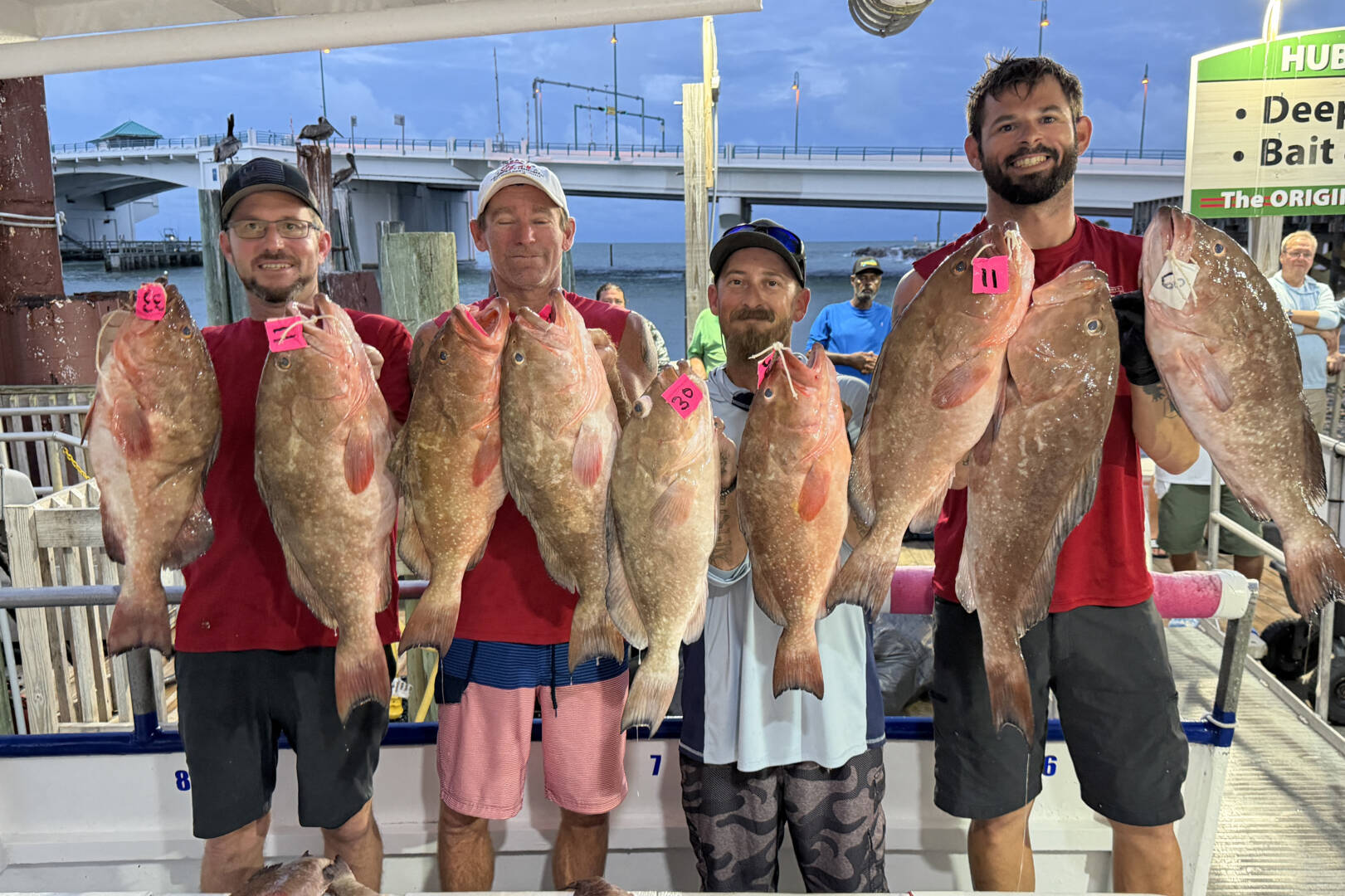
Red grouper near shore have been around the deeper near shore areas, potholes, ledges, hard bottom, and Swiss cheese bottom, but the better keeper-sized fish are more consistent as you work deeper. Near shore red grouper are very structure- and bottom-oriented, and they love areas where the bottom has broken limestone, small ledges, and natural potholes. Live pinfish, cut threadfins, sardines, squid strips, and larger pieces of cut bait can all work well. Red grouper are scent-driven and will often come out of the bottom to investigate a bait when the current is moving. A slow, steady presentation near the bottom is best. When the bite is slower after a pressure rise or stormy period, downsizing bait or adding extra scent can help.
Mackerel have been active around bait schools, near shore reefs, markers, artificial structure, and areas where birds are dipping or bait is flashing on the surface. Spanish mackerel especially love clean, moving water with plenty of bait. Gotcha plugs, casting spoons, small flashy jigs, white bait, and threadfins are all great options. A fast retrieve is often the key. These fish are built for speed, and they like to chase. Light wire or heavier fluorocarbon leader can help prevent cutoffs, but if the water is super clear, lighter leader may get more bites. Watch for diving birds, surface flashes, and bait showering. When you find the bait, the mackerel are often not far behind.
OFFSHORE
The offshore fishing out of Hubbard’s Marina and John’s Pass has been strong as we settle into our warm Gulf pattern. The deeper water is helping produce a great variety of quality fish, and the best action has been coming from those longer runs where we can get into more stable water, better structure, cleaner conditions, and deeper offshore ledges. With water temperatures warming up near shore and at the surface, a lot of the best offshore bottom fishing is happening where fish can stage along ledges, potholes, springs, hard bottom, wrecks, and deeper peaks.
Red snapper fishing are open June first until October 25th! Look for them beyond 120-1240ft of water especially around larger structures, wrecks, springs, ledges, and deeper hard bottom. Red snapper are aggressive, powerful, and often willing to come well up off the bottom when they are fired up. Live pinfish, threadfins, sardines, squid, bonita strips, and cut bait all work well. When the current is moving and the fish are chewing, bigger baits can help target the larger red snapper. When the bite gets picky, especially after pressure changes or heavy boat traffic, downsizing leader, changing bait size, or using a more natural presentation can help trigger bites.
Scamp grouper have been biting best on deeper offshore ledges, potholes, rock piles, and hard bottom areas with good relief and clean water. These fish are structure-oriented and often hold tighter to the bottom than red snapper. Live pinfish, small grunts, threadfins, sardines, and cut bait are all good choices. Scamp can be aggressive, but they can also be picky, so a fresh lively bait and a clean presentation are important. Sometimes the best scamp bites come just off the main structure on the edges where the current sweeps bait past the ledge.
Red grouper offshore have been most consistent around deeper Swiss cheese bottom, natural potholes, ledges, and broken limestone areas. These fish are not always on the tallest structure. In fact, many of the best red grouper spots are lower-profile hard bottom areas with lots of cracks, holes, and scattered relief. Red grouper respond well to scent, so cut threadfin, squid, sardines, bonita strips, and live pinfish are all productive. They often feed better when the current is moving and the barometer is steady. If the pressure jumps after a storm or front-like boundary, the red grouper bite can slow temporarily, but they usually turn back on once conditions stabilize.
Mangrove snapper offshore have been feeding well around ledges, wrecks, rock piles, and hard bottom, especially at night or during lower-light periods. Offshore mangrove snapper are smart, powerful, and extremely leader shy at times. The best trick is to scale down your tackle as much as conditions allow while still having enough strength to pull them away from the structure. Live pilchards, threadfins, small pinfish, cut sardines, and chunks of bonita are all great baits.
Yellowtail snapper are more steady action lately, we are seeing them more and more frequently now that summer time patterns have settled into our offshore waters.
Now that red snapper is open we will regularly fish deeper during our long range trips especially as season progresses, so that should mean a steady opportunity for the occasional mutton snapper as we target the red snapper.
Almaco jacks, porgies, and plentiful vermillions are always a great box filler and we should have plenty around coming up as we hunt red snapper, red grouper and mangroves.
Pelagic action has also been part of the offshore story. Kingfish, blackfin tuna, and the occasional wahoo are possible around bait schools, current edges, wrecks, weed lines, temperature breaks, and areas where birds and surface activity give away feeding fish. Kingfish have been around live bait schools and offshore structure, especially when the water is clean. Slow-trolled live baits, stinger rigs, spoons, and plugs can all work. Tuna are more likely around deeper water, birds, bait, and active surface feeds. Wahoo are more of a bonus fish, but high-speed trolling, larger plugs, and baits around clean blue water edges can produce that opportunity.
Overall, offshore fishing out of John’s Pass continues to offer a strong mixed bag with red snapper, scamp grouper, red grouper, mangrove snapper, yellowtail snapper, mutton snapper, almaco jacks, vermilion snapper, porgies, and pelagics like kingfish, tuna, and wahoo all in the mix. The best bite is coming from quality bottom, good current, clean water, and anglers who are willing to adjust their tackle, bait, and presentation as the day unfolds.
Don’t forget, that we have some great videos on our fishing tips and tricks page here to show you how to target and rig for almost any species-> https://www.hubbardsmarina.com/fishing-tips/
For more fishing reports, photos, videos and more check out Hubbard’s Marina on Facebook, Instagram, YouTube, Tik Tok, Twitter, Pinterest or SnapChat just simply search @HubbardsMarina and do not forget our family motto, “If You’re too busy to go fishing, You’re just too busy!”
Thanks for reading and checking out our report!
Capt Dylan Hubbard,
Hubbard’s Marina
Call or Txt me anytime at (727)393-1947 | https://HubbardsMarina.com
To watch the video, click Here
To read the full report, click here