
NEAR SHORE
Near shore fishing off Johns Pass and Madeira Beach is shifting deeper into a spring pattern. Lane snapper are picking up, mackerel are active, kingfish are becoming more likely, hogfish are slowing as water warms, and mangrove snapper and red grouper remain good possibilities when fishing the right depths and structure. This is a great time to be flexible. A good near shore trip right now might include bottom fishing, live baiting, trolling, and keeping a pitch rod ready all in the same day.
Lane snapper are picking up near shore as water temperatures climb. These fish are excellent eating, aggressive when they are fired up, and often provide steady action once you find the right bottom and depth. Lane snapper generally become more consistent as you move into deeper near shore waters with hard bottom, ledges, shell, and scattered structure. Shrimp, squid, and cut threadfin are all productive. Larger lanes often prefer live shrimp or fresh cut threadfin chunks. If you are getting small pecks and missing fish, downsize the bait and hook.
Hogfish are still around, but the bite is starting to slow as the warming trend continues. This is very normal for our area. Hogfish are at their best for us in cooler months, and as water warms they spread out, get more finicky, and become harder to target consistently on hook and line. We should still have some opportunities for a bit longer, especially in that 40 to 70 foot range around smaller ledges, broken hard bottom, shell patches, and low profile structure. If you want hogfish, now is the time to get after them before they thin further.
For hogfish, live shrimp remains the top bait. A lighter spinning setup is ideal. We like a 4000 to 5000 size spinning reel with 20 to 30 pound braid, a long 10 to 15 foot fluorocarbon leader around 30 pound test, a 3/0 to 4/0 hook, and 1 to 2 ounces of lead depending on current. The long leader helps keep the presentation natural and gives the bait a little separation from the braid. Keep your shrimp lively, avoid overworking it, and give the spot time. Hogfish are often not the first fish to bite. You may catch grunts, porgies, and snapper before the hogfish finally settle in.
Mangrove snapper are around near shore, but they are more consistent as you move into deeper near shore waters. They can be spotty shallower, especially if the water is very clear or if the current is weak. Small chunks of cut threadfin, live shrimp, or small live baits can all work. Mangroves are smart, leader shy fish, so presentation matters. If you are marking fish or seeing them but not getting bites, lighten your leader, shorten the bait piece, reduce hook size, and let the bait drift naturally with the current. Avoid spinning baits or heavy rigs that look unnatural.
Red grouper are occasionally coming up in deeper near shore waters. Near shore red grouper fishing usually means sorting through shorter fish before finding a keeper, but the right piece of bottom can absolutely produce. Look for hard bottom, cracks, potholes, low relief ledges, and areas with bait and life. Bigger baits help. Whole squid, thick strips of cut bait, bonita strips, or live pinfish can help target better fish and reduce some of the smaller pecker bites. If you catch several small red grouper quickly, that is a sign you are around the right type of bottom, but you may need to slide around to find the better class of fish.
Mackerel are active near shore and remain one of the most exciting springtime targets along the beaches, wrecks, reefs, and hard bottom areas where bait is present. Spanish mackerel are fast, aggressive, and perfect for light tackle action. Trolling small spoons, plugs, and feathers between spots can help locate fish. Casting spoons or jigs into surface activity is also very productive. Watch for birds, bait showers, and flashes. Mackerel can turn on quickly, and when they do, you want to have a rod ready.
Kingfish are also becoming more likely as bait increases and water temperatures stay favorable. We are seeing more signs that the kingfish bite is building. Most of the fish early in the push are schoolie sized, but there are always bigger ones mixed in. Slow trolling live bait, flat lining around wrecks and reefs, or pulling diving plugs and spoons can all work. If you are bottom fishing near shore, keep a flat line out when bait is present. Many kingfish are caught by the angler who was simply ready when one swam through.
OFFSHORE
Offshore fishing continues to offer an excellent variety of species, and we are seeing a strong mixed bag develop as spring patterns build. Red grouper remain a major focus, mangrove snapper are still a key part of the catch, scamp grouper are in the mix, triggerfish are available, yellowtail snapper are becoming more consistent, mutton snapper are showing occasionally, and pelagics are becoming more active as bait and water temperatures improve. This is the time of year when offshore fishing can produce a little bit of everything if the weather allows us to get out and fish the right areas. Plus, we have less people going out with us compared to a few weeks from now when red snapper chaos ensues.
Red grouper continue to be one of the primary offshore targets. The best action has been around hard bottom, potholes, smaller ledges, cracks, and low relief structure. Depth can vary depending on water temperature, pressure, current, and fishing pressure, but the deeper offshore grounds are producing better consistency. Big dead baits are still the go-to. Whole squid, octopus, bonita strips, large cut baits, and quality live baits all deserve a place in the spread. Red grouper are aggressive when they are ready, but they also respond to a bait that looks worth the effort. Bigger baits often help target better fish and reduce some of the smaller bites.
Mangrove snapper remain a strong offshore target. They can be very consistent when the current is right and the presentation is clean. Cut threadfin on a double snell rig is still one of the best ways to catch numbers of offshore mangroves. If you want to target the larger fish, small live pinfish can be excellent. Mangroves are smart, and they often get more difficult as water clarity improves or after they see a few baits. Leader size, bait size, and presentation all matter. If the bite slows, do not immediately leave good bottom. First try downsizing leader, trimming bait smaller, changing the way the bait drifts, or switching to live bait.
Scamp grouper are mixed in, especially as we fish deeper structure. Scamp love ledges, breaks, hard bottom, and areas with good relief. They often eat medium pinfish very well, but they will also take cut threadfin, squid, and other baits when they are fired up. A 6/0 to 7/0 hook with 50 to 60 pound leader is a great starting point for scamp. They are not always the most numerous fish, but they are one of the most prized because they fight hard and eat even better.
Triggerfish are another great offshore option right now. These fish become more common as we push deeper, and they are a favorite on the table. Triggerfish require a more precise approach than many bottom fish. Their mouths are small, and they are experts at stealing bait. Use small, neat, narrow strips of squid, bonita, or other chewy bait. Do not overload the hook with a big bait wad. Smaller hooks, compact bait, and patience will catch more triggerfish than heavy grouper gear. If you feel pecks but cannot connect, your bait is probably too large.
Yellowtail snapper are becoming a very exciting part of the offshore bite. We are seeing them out deeper, but they can also show in shallower offshore and deeper near shore waters when conditions are right. Yellowtail respond well to lighter tackle, smaller hooks, small strips of squid, small threadfin chunks, and a natural presentation.
Mutton snapper are showing occasionally offshore and are always a welcome addition to the box. They are not as common as mangroves or yellowtail, but when one shows up it gets everyone excited. Muttons often prefer a lively bait or a clean cut bait. They may take a little time to commit, so patience is important. A medium pinfish, quality strip bait, or well presented live bait can be the difference maker.
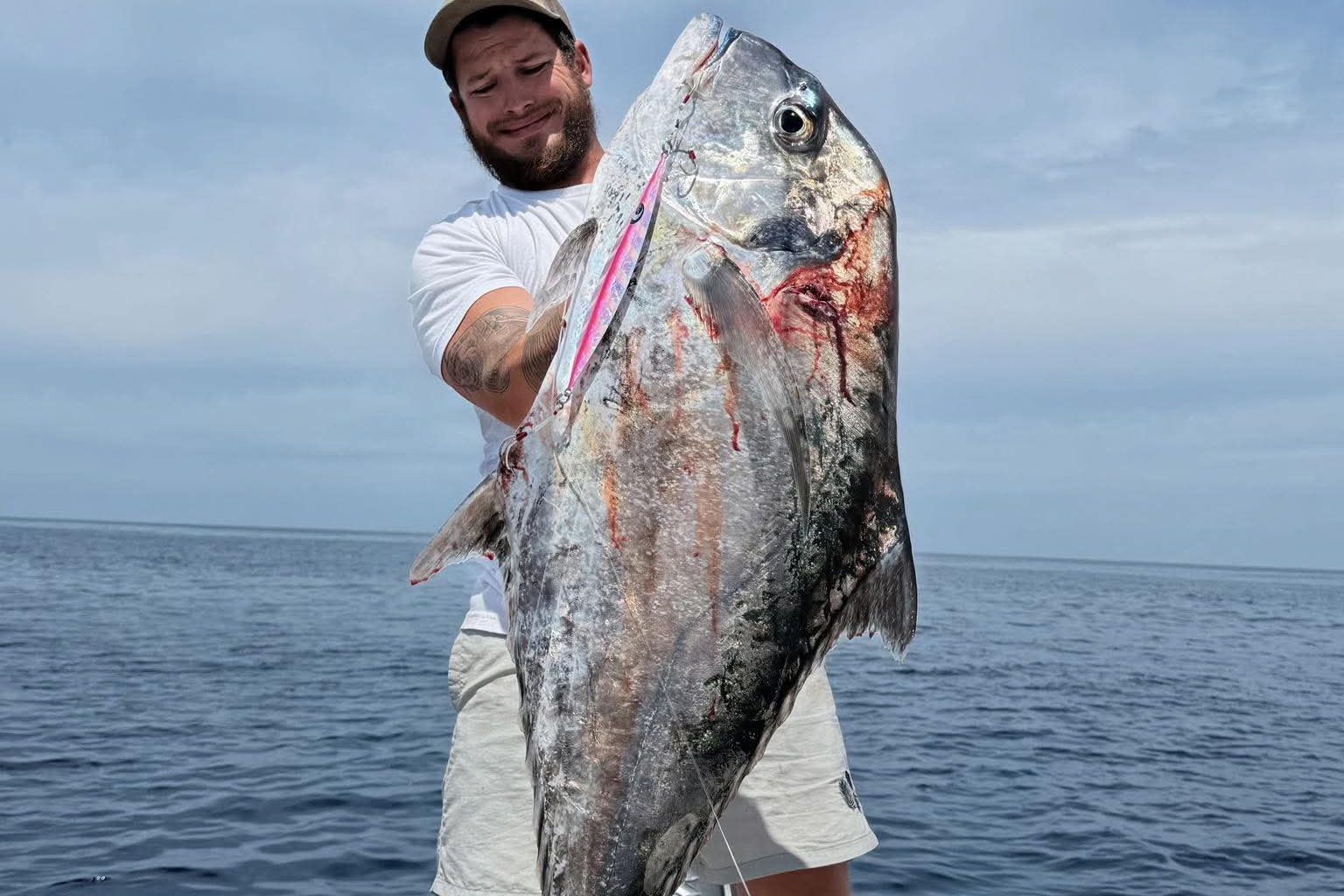
Almaco jacks, porgies, and other heads and tails species are also part of the offshore action. These fish keep rods bent and help fill coolers, but they also tell us a lot about the bottom we are fishing. When you are seeing vermillion, porgies, almacos, lanes, and other active reef species, it usually means you are around life, bait, and productive structure. Sometimes staying in that area and adjusting bait presentation can produce the better grouper or snapper bite after the faster species slow down.
Pelagic action is improving as well. Kingfish, blackfin tuna, possible wahoo, and other moving fish are all part of the spring offshore conversation. The more bait we see, the better the pelagic odds become. Keep a flat line out when bottom fishing, especially if you see surface activity or bait schools. Watch for birds, current edges, color changes, floating debris, and bait showers. A pitch rod with a jig, live bait, or small plug can turn a good bottom fishing day into something unforgettable. Spring pelagics often show up without much warning, so preparation is everything.
Overall, offshore fishing is in a strong place and should continue improving as we move toward the new moon and stronger tidal flow next weekend. If the weather cooperates, we expect the deeper trips to produce a great mix of grouper, snapper, triggerfish, heads and tails, and pelagic opportunities. Bring a variety of bait, be ready to adjust, and remember that offshore success often comes from staying flexible and reading what the fish are telling you.
Don’t forget, that we have some great videos on our fishing tips and tricks page here to show you how to target and rig for almost any species-> https://www.hubbardsmarina.com/fishing-tips/
For more fishing reports, photos, videos and more check out Hubbard’s Marina on Facebook, Instagram, YouTube, Tik Tok, Twitter, Pinterest or SnapChat just simply search @HubbardsMarina and do not forget our family motto, “If You’re too busy to go fishing, You’re just too busy!”
Thanks for reading and checking out our report!
Capt Dylan Hubbard,
Hubbard’s Marina
Call or Txt me anytime at (727)393-1947 | https://HubbardsMarina.com
To watch the video, click Here
To read the full report, click here